How to Lift a Truck Yourself DIY A Safe Step-by-Step Guide
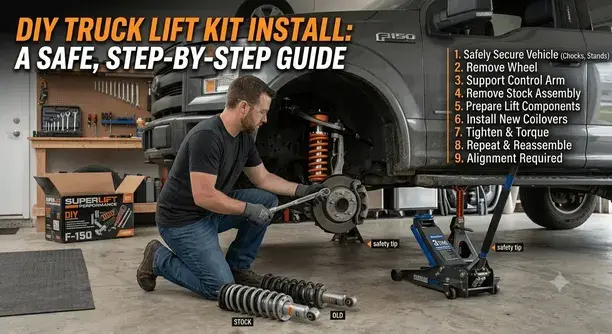
Introduction How to Lift a Truck Yourself DIY
Many truck owners do basic maintenance at home. A safe lift can help with a tire change or inspection. However, a truck is heavy, so lifting it requires the correct equipment and careful preparation.
Learning how to lift a truck yourself DIY starts with safety. Use equipment that matches your vehicle and follow the truck maker’s instructions. Never work under a vehicle that rests only on a hydraulic jack.
This guide explains every step in easy words. It also shares common mistakes, expert tips, and best practices.
What Is How to Lift a Truck Yourself DIY?
How to lift a truck yourself DIY means raising your truck safe without paying a repair shop. A floor jack and reliable jack stands are the main tools you need for this job.
You should never rush this job. Every step matters. Good preparation helps keep you safe.
DIY truck lifting works well for:
- Tire changes
- Brake repairs
- Oil changes
- Suspension checks
- Undercarriage cleaning
- Exhaust inspection
Many people can do these tasks at home after learning the correct method.
Why It Matters
Lifting a truck safe protects both you and your vehicle.
A truck can weigh thousands of pounds. If it moves or falls during a lift, it can cause severe injury or vehicle damage. Keep people and pets away from the work area.
Safe lifting also helps you:
- Save money
- Learn vehicle maintenance
- Finish repairs at home
- Avoid unnecessary repair shop visits
- Inspect your truck whenever needed
Proper lifting gives you confidence to complete many simple maintenance jobs.
How Truck Lifting Works
Trucks have approved lifting points listed by the manufacturer. These points help the jack contact a strong part of the vehicle.
A hydraulic floor jack raises the truck.
Jack stands support the truck after lifting.
The floor jack lifts.
The jack stands hold.
Never crawl under a truck supported only by the jack.
Benefits of Lifting Your Truck Yourself
There are many benefits.
Save Money
Repair shops charge for simple work. Doing small jobs yourself reduces costs.
Learn New Skills
Every repair teaches something new.
Work Anytime
You do not need to wait for a repair appointment.
Inspect Problems Early
You can check for leaks, rust, worn brakes, or damaged suspension parts.
Better Vehicle Care
Regular inspections help your truck stay in good condition.
Tools You Need
Before you begin, gather everything.
Floor Jack
A hydraulic floor jack makes lifting easy.
Choose one with enough weight capacity for your truck.
Jack Stands
Jack stands keep the truck stable.
Always use two or four stands.
Wheel Chocks
Wheel chocks stop the truck from rolling.
Place them behind the tires that stay on the ground.
Work Gloves
Gloves protect your hands.
Safety Glasses
Wear safety glasses to protect your eyes from flying dust and dirt.
Flashlight
A flashlight helps you see under the truck.
Owner’s Manual
The manual shows the correct lifting points.
Types of Truck Lifting Equipment
Hydraulic Floor Jack
This is the most common choice.
It lifts heavy trucks quick.
Bottle Jack
Bottle jacks are small but powerful.
Many trucks include one for emergency tire changes.
Scissor Jack
Scissor jacks work for emergencies.
They are slower than hydraulic jacks.
Lift Ramps
Ramps lift only one end of the truck.
They work well for oil changes.
Vehicle Lift
Professional repair shops use large hydraulic lifts.
These cost much more than home tools.
Step-by-Step Guide
Step 1: Park on Flat Ground
Choose a hard and level surface.
Never lift your truck on grass, dirt, or a slope.
Concrete works best.
Step 2: Turn Off the Engine
Shift into Park.
Set the parking brake.
Remove the key.
Step 3: Place Wheel Chocks
Secure the wheels touching the ground with wheel chocks.
This keeps the truck from moving.
Step 4: Find the Lift Points
Check your owner’s manual.
Use only the recommended lifting points.
Wrong lifting points may bend the frame or damage parts.
Step 5: Position the Floor Jack
Roll the floor jack under the lifting point.
Center the jack carefully at the approved lifting point.
Double-check the position before lifting.
Step 6: Raise the Truck Slow
Pump the jack handle slowly and watch the vehicle as it rises.
Lift the truck only as high as needed.
Watch careful while lifting.
Stop if anything looks unsafe.
Step 7: Place Jack Stands
Slide the jack stands under the frame.
Adjust both stands to the same height.
Lower the truck slowly onto the stands and confirm that each stand sits correctly.
Make sure the truck sits even.
Step 8: Test Stability
From a safe position, check that the vehicle sits firmly on the stands. Do not place any part of your body under the vehicle while checking stability.
If it rocks, lift it again and adjust the stands.
Step 9: Complete Your Work
Once the truck sits securely on the stands, you can perform the planned inspection or repair. Follow the vehicle manual and the instructions for your equipment.
Keep tools organized.
Work careful.
Step 10: Lower the Truck
Raise the truck slight.
Remove the jack stands.
Lower the truck slow.
Remove the wheel chocks.
Your job is complete.
Common Mistakes
Many beginners make small mistakes.
Avoid these problems.
- Using the wrong jack
- Lifting on soft ground
- Forgetting wheel chocks
- Ignoring the owner’s manual
- Using damaged equipment
- Crawling under a truck supported only by a jack
- Working too fast
- Lifting beyond the jack’s weight limit
These mistakes can become dangerous.
Best Practices
Follow these simple habits.
- Inspect your tools before every use.
- Keep the work area clean.
- Wear safety gear.
- Use quality jack stands.
- Lift slow.
- Stay focused.
- Keep children and pets away.
- Read the owner’s manual first.
Small safety steps make a big difference.
Expert Tips
Experienced mechanics follow these tips.
- Buy a high-quality hydraulic floor jack.
- Replace damaged jack stands immediately.
- Keep your tools clean.
- Store equipment in a dry place.
- Inspect your truck while it is lifte.
- Never exceed the weight rating of your lifting equipment.
These habits improve safety and help your tools last longer.
Frequently Asked Questions
1. How do you lift a truck yourself safe?
Answer: Use a properly rated jack and jack stands. Park on a hard, level surface, set the parking brake, chock the wheels, and follow the vehicle manual for approved lift points.
2. Can I lift a truck without jack stands?
No. You should never work under a truck supported only by a floor jack. Always use jack stands to keep the truck stable and safe.
3. What is the best jack for lifting a truck?
Choose a hydraulic floor jack that can safe support your truck’s weight. It lifts heavy trucks smooth and provides better stability than most emergency jacks.
Where should I place the jack under a truck?
Place the jack in the approved lift locations to safe raise your vehicle. You can find these locations in your truck’s owner’s manual.
5. How much weight should a truck jack support?
The jack should have a weight capacity greater than the part of the truck it lifts. Always check your truck’s weight and use a proper rated jack.
6. Is it safe to lift a truck on gravel or dirt?
No. Lift your truck only on a hard, flat surface like concrete. Soft ground can make the jack or jack stands unstable.
7. Do I need wheel chocks when lifting a truck?
Yes. Wheel chocks secure the tires on the ground and reduce the risk of the truck rolling during the lift.
8. Can I change a truck tire without lifting the whole truck?
Yes. You only need to lift the corner with the flat tire. Follow the correct lifting procedure and use jack stands if you will be working near or under the vehicl.
9. What mistakes should I avoid when lifting a truck?
Avoid using the wrong lift points, skipping jack stands, lifting on uneven ground i.
10. How often should I inspect my lifting equipment?
Make it a habit to test your lifting equipment before use to maintain a safe working
Replace any tool that shows cracks, leaks, rust, or other damage.
11. Can beginners lift a truck themselves?
Yes. Beginners can safe lift a truck if they follow the owner’s manual, use the correct tools, and take their time. Safety should always come first.
12. Why should I learn how to lift a truck yourself DIY?
Learning this skill helps you save money, perform basic maintenance at home.
Conclusion
Learning how to lift a truck yourself DIY is a valuable skill for every truck owner. It helps you save money, complete simple repairs, and understand your vehicle better. The most important rule is to stay safe. Always use the correct lifting points, place the truck on strong jack stands, and work on a flat surface. Never hurry through the process or work under a truck supported only by a hydraulic jack. With the right tools, careful preparation, and safe habits, you can lift your truck .