Biting Nails Makes My Tooth Hurt Causes Treatment and Prevention
Introduction Biting Nails Makes My Tooth Hurt
Many people bite their nails without thinking. It often starts during childhood. Some people keep this habit for many years.
You may notice pain after biting your nails. This may leave you asking, “Why do my teeth feel painful after biting my nails?”
The answer is simple. Nail biting puts strong pressure on your teeth. This pressure can damage your teeth over time. It may also hurt your gums and jaw.
Most cases are not serious at first. However, the pain can become worse if you keep biting your nails every day.
This guide explains why your tooth hurts, how to stop the pain, and how to protect your smile.How to Ventilate a Room When Burning Incense
What Does It Mean When Biting Your Nails Causes Tooth Pain?
This phrase means your teeth feel sore after you bite your nails.
The pain may happen right away. It may also appear later in the day.
You may feel:
- Sharp pain
- Dull aching
- Tooth sensitivity
- Pain while chewing
- Pressure around one tooth
The pain often means your tooth has too much stress.
Why Does Biting Nails Make Your Tooth Hurt?
Nails are much harder than many people think.
Your teeth are strong, but they are not made for chewing hard nails.
Each bite places force on your teeth.
After many bites, small damage can happen.
Common reasons include:
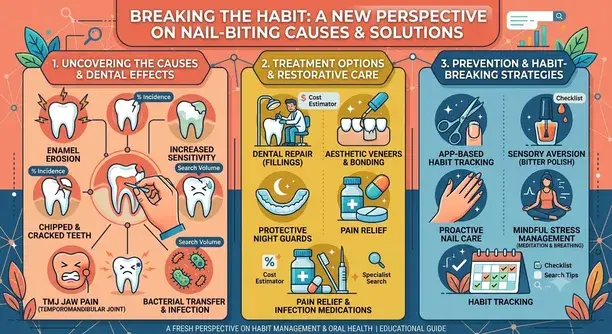
- Tooth enamel wears down.
- Tiny cracks form.
- Teeth become sensitive.
- Fillings become loose.
- Jaw muscles become tired.
- Gum tissue becomes irritated.
Even one weak tooth may start hurting first.
How Nail Biting Damages Teeth
Your tooth has several layers.
The outside layer is call enamel.
Enamel protects the inside of the tooth.
When you bite hard nails every day, the enamel slow wears away.
Once enamel becomes thin, the inside of the tooth becomes more sensitive.
Cold beverages, hot meals, or sugary treats may sudden trigger tooth pain.
If the habit continues, larger cracks may develop.
Common Signs of Tooth Damage
Watch for these warning signs.
- Tooth pain after biting nails
- Sharp pain while eating
- Pain with cold water
- Sensitive teeth
- Small cracks
- Rough tooth edges
- Loose filling
- Jaw soreness
- Headaches
- Gum pain
These signs mean your teeth need attention.
Can Nail Biting Crack a Tooth?
Yes.
A hard nail can create enough pressure to crack a weak tooth.
Your risk may become greater when you already deal with:
- Old fillings
- Thin enamel
- Tooth decay
- Teeth grinding
- Previous dental work
A tooth with a crack often causes pain when you put pressure on it while biting.
Sometimes the pain comes and goes.
Can Nail Biting Damage Dental Fillings?
Yes.
Dental fillings are strong, but they are not made for constant nail biting.
Repeated pressure can:
- Loosen fillings
- Break fillings
- Crack crowns
- Damage veneers
- Wear dental bonding
Replacing dental work can cost much more than stopping the habit early.
Does Nail Biting Hurt the Jaw?
Yes.
Your jaw works every time you bite your nails.
Extra movement can tire the jaw muscles.
Some people notice:
- Jaw pain
- Clicking sounds
- Tight muscles
- Headaches
- Face pain
People with TMJ problems may feel even more discomfort.
Can Nail Biting Cause Tooth Sensitivity?
Yes.
Many people first notice tooth sensitivity.
The pain often happens with:
- Ice cream
- Cold drinks
- Hot coffee
- Sweet foods
- Brushing teeth
Sensitivity usually means the tooth needs protection.
How Can You Relieve Tooth Pain Safe?
Stop biting your nails immediately.
This gives your tooth time to rest.
Next, rinse your mouth with warm water.
Brush gent with a soft toothbrush.
Use toothpaste made for sensitive teeth.
Avoid chewing hard foods.
Drink water instead of sugary drinks.
If pain lasts more than one or two days, visit a dentist.
Home Care Tips
Simple care can reduce discomfort.
Try these ideas:
- Brush twice each day.
- Floss every day.
- Drink plenty of water.
- Eat healthy foods.
- Avoid hard candy.
- Avoid chewing ice.
- Stop biting nails.
- Use a dental night guard while sleeping if you regular grind your teeth.
Healthy habits help protect your smile.
Why People Bite Their Nails
Many people do not even notice the habit.
Common reasons include:
- Stress
- Worry
- Boredom
- Nervous feelings
- Deep thinking
- Habit since childhood
Knowing the cause helps you break the habit.
How to Stop Biting Your Nails
Breaking the habit takes time.
Start with small steps.
Keep your nails short.
Use bitter nail polish.
Chew sugar-free gum instead.
Use a stress ball to keep your hands occupied and avoid nail biting.
Wear gloves when relaxing at home if needed.
Reward yourself after each week without nail biting.
Ask family members to remind you gent.
Replacing one habit with another often works better than trying to stop all at onc
When Should You Visit a Dentist?
Sometimes the pain goes away after you stop biting your nails. However, some signs mean you should see a dentist as soon as possible.
Visit a dentist if you have:
- A toothache that continues for more than two days
- Sharp pain when chewing
- A cracked or chipped tooth
- Swollen gums
- Bleeding around a tooth
- A loose filling or crown
- Tooth pain with hot or cold foods that keeps coming back
- Jaw pain that gets worse
Early treatment can prevent bigger dental problems.
Treatment Options
The right treatment depends on what caused the pain.
Here are some common dental treatments.
| Problem | Possible Treatment |
|---|---|
| Tooth sensitivity | Sensitive toothpaste or fluoride treatment |
| Small crack | Dental bonding |
| Deep crack | Dental crown |
| Tooth decay | Filling |
| Severe damage | Root canal or tooth removal |
| Jaw pain | Mouth guard and jaw exercises |
Your dentist will examine your teeth and choose the best treatment.
How to Prevent Tooth Pain from Nail Biting
Prevention is always better than treatment.
Use these simple tips every day.
- Keep your nails trimmed short.
- Use bitter-tasting nail polish.
- Brush your teeth twice daily.
- Floss every day.
- Visit your dentist every six months.
- Manage stress with healthy activities.
- Keep your hands busy.
- Avoid chewing ice or hard objects.
- Use a mouthguard at night to protect your teeth from grinding.
These habits protect both your teeth and your nails.
Healthy Alternatives to Nail Biting
Replacing the habit makes it easier to stop.
Try these safer choices.
- Hold a stress ball.
- Draw or write.
- Read a book.
- Chew sugar-free gum.
- Practice deep breathing.
- Play with a fidget toy.
- Exercise every day.
- Keep your nails clean and neat.
A healthy replacement helps break the habit over time.
Common Mistakes to Avoid
Many people make these mistakes.
- Ignoring tooth pain
- Waiting too long to visit a dentist
- Chewing hard foods after tooth pain starts
- Using your teeth to open packages
- Continuing to bite your nails
- Skipping daily brushing and flossing
Avoiding these mistakes can save your teeth.
Best Practices for Healthy Teeth
Good oral care keeps your smile strong.
Remember these habits.
- Brush for two minutes.
- Floss every day.
- Drink plenty of water.
- Eat foods rich in calcium.
- Limit sugary snacks.
- Wear a sports mouthguard during games.
- Visit your dentist regular.
- Stop nail biting completely.
Small daily habits make a big difference.
Real-Life Example
Emma, a 15-year-old student, bit her nails whenever she felt stressed about school.
After several months, one front tooth became painful.
Her dentist found a small crack in the enamel.
Emma stopped biting her nails, used sensitive toothpaste, and followed her dentist’s advice.
A few weeks later, her pain improved, and she avoided further damage.
This example shows how early action can protect your teeth.
FrequentlyAsked Questions
Can biting nails real make my tooth hurt?
Yes. Nail biting puts extra pressure on your teeth. This pressure can damage enamel and cause pain.
Is nail biting bad for teeth?
Yes. It can wear down enamel, crack teeth, loosen fillings, and cause jaw pain.
Will tooth pain go away after I stop biting my nails?
Mild pain may improve within a few days if no serious damage exists.
Can nail biting cause cavities?
Not direct. However, damaged enamel makes teeth easier to harm.
Why does only one tooth hurt?
That tooth may already have a small crack, weak enamel, or an old filling.
Can children damage their teeth by biting nails?
Yes. Children can also develop tooth damage from frequent nail biting.
Can nail biting cause jaw pain?
Yes. Repeated biting strains the jaw muscles and joints.
Should I use sensitive toothpaste?
Yes. Sensitive toothpaste may reduce discomfort while your teeth recover.
How Long Does It Usually Take to Quit Nail Biting?
It depends on the person. Many people improve within several weeks with regular practice.
When should I call a dentist?
Call a dentist if pain lasts more than two days, becomes severe, or if you notice a cracked tooth, swelling, or bleed.
Key Takeaways
- Biting nails can make your tooth hurt.
- Hard nails place too much pressure on teeth.
- Nail biting can wear away tooth enamel.
- Small cracks can lead to pain and sensitivity.
- Fillings and crowns may also become damaged.
- Stopping the habit helps protect your smile.
- Good oral care reduces the risk of future problems.
- Visit a dentist if pain continues or gets worse.
Conclusion
If biting nails makes my tooth hurt, do not ignore the pain. Nail biting may seem like a small habit, but it can slow damage your teeth, gums, and jaw. The good news is that you can stop the habit and protect your smile.
Brush and floss every day, keep your nails trimmed, and avoid biting hard objects. If your tooth pain lasts, becomes severe, or you notice a crack, visit a dentist as soon as possible. Early treatment can prevent bigger problems and help keep your teeth healthy for many i.